Welcome to the wonderful world of antenna launchers…airguns, slingshots, tennis balls, whatever,
Category: Uncategorized
May 2016, General Membership Meeting
Called to order at 19:30 by Frederick W9GOC.
A multimode radio/cell phone
Raspberry Pi upgrade?
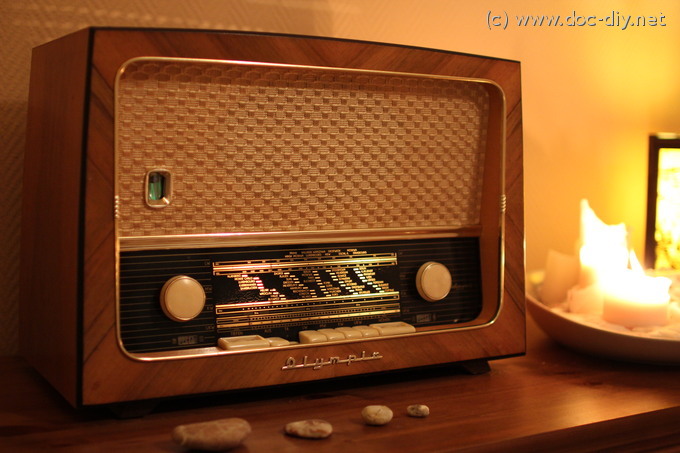
A DIY tuning capacitor
This may pique your curiosity:
Click here.
NOTE: The Grammar and Spelling Police have already been notified.
Ecuador Emergency freq.
Radio Amateurs Asked to Keep 7.060 MHz Clear for Ecuador Earthquake Emergency Traffic.
More information here.
April 2016, General Membership Meeting
Called to order at 19:32 by Frederick W9GOC
Continue reading “April 2016, General Membership Meeting”
A quick intro to some free ham programs
Here is a YouTube site which might save the time spent searching for free ham software. The author presents several icons in a Windows screen, then opens the icons – one at a time – and comments on the icon’s program.
The VGS-1: not your father’s voice prompt
Based upon personal experience, Kenwood voice synthesizers are well designed and easy to use. They offer a unique and useful combination of (1) frequency announcements on demand, (2) automatic frequency reports after changes in VFO, band, and/or channel, (3) instant, audible assistance with menu navigation, and (4) announcements by the VGS-1 of the function keys and options.
Further details are here.
Also, other brands’ have similar, modern, synthesizers. They are discussed here.
General Class April 23-24, 2016
There is an upcoming General Class being offered by FLARC, details here.