A multimode radio/cell phone

An unusual dual-band, multi-mode, mobile radio is supposed to be on display at Dayton. The rig supports DMR, D-Star, C4FM, and has a slot for an LTE SIM card. There’s more about it here.

The article also links to a Ham-modified TYT HT which now has D-Star, P25, and System Fusion. More here.
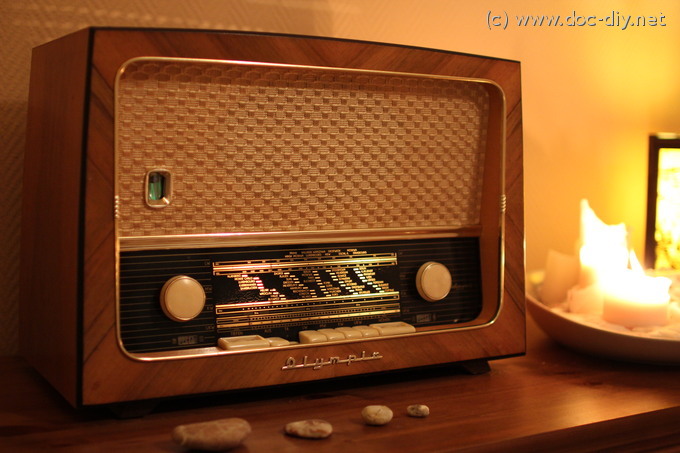
The VGS-1: not your father’s voice prompt

Based upon personal experience, Kenwood voice synthesizers are well designed and easy to use. They offer a unique and useful combination of (1) frequency announcements on demand, (2) automatic frequency reports after changes in  VFO, band, and/or channel, (3) instant, audible assistance with menu navigation, and (4) announcements by the VGS-1 of the function keys and options.

Further details are here.

Also, other brands’ have similar, modern, synthesizers. They are discussed here.

Bouncing off the walls

This comes from a footnote in the April issue of QST (Page 32):

A technical journal named The WCF Experimenter.

Its Spring, 2016, issue has some interesting projects for both the advanced builder and those with more moderate skills.

One of the latter articles describes an Arduino-based device for measuring the speed of sound at your location, by bouncing sound off a wall and measuring it’s return time.

It might be a good anesthetic for cabin fever.

Blind hams CAN solder safely

For the benefit of hams who happen to be sighted, here are a couple of posts written by blind hams who routinely use soldering irons. There is more, very positive material, elsewhere on the Web.

The first is a  brief introduction to the subject.

The next goes into more detail.

And finally, some general  ARRL material on the subject of hams who happen to be blind

The point of this post is…in amateur radio soldering, it’s often safer if the blind lead the blind.